

Spiritual Diet
Sattvic vs. Yogic Diet to Accelerate your Spiritual Growth
In the holistic world of Ayurveda and Yoga, food is not just fuel—it’s consciousness. What we eat affects not only our physical body but also our mental and emotional state. As the phrase goes “we become what we eat”. Therefore, a proper spiritual diet requires complete awareness of everything that you eat- why and for what purpose. Food is not purely for hunger or pleasure based on flavors, when perceived through the lens of spirituality. Two commonly discussed dietary philosophies in this space are the Sattvic Diet and the Yogic Diet. While often used interchangeably, there are nuanced differences between them, especially when we explore their purpose, guidelines, and flexibility.
When the food is pure, the mind becomes pure.
Understanding the Sattvic Diet: First step of a Spiritual Diet
Sattva is one of the three gunas (qualities) in Samkhya philosophy, alongside Rajas (activity) and Tamas (inertia). Sattva represents purity, clarity, harmony, and balance. A Sattvic diet is designed to increase Sattva in the mind and body.
Core characteristics:
Fresh, whole, and seasonal foods: Vegetables, fruits, grains, legumes, nuts, seeds.
Minimal processing: Cooked fresh, with little to no preservatives.
Mild and digestible: Lightly spiced, not overly salty or pungent.
Vegetarian: Avoids meat, fish, and eggs.
Avoids stimulants and depressants like caffeine, alcohol, onions, garlic, and overly fermented foods.
Cooking with intention: Prepared with love, gratitude, and mindfulness.
A Sattvic diet is a great way to start a spiritual diet, and is particularly emphasized in Ayurveda and spiritual practices for maintaining mental clarity, compassion, and spiritual growth. It’s ideal for meditation and inner peace.
Understanding the Yogic Diet: Supercharging your Spiritual Diet
The Yogic Diet stems from Patanjali’s Yoga Sutras and the broader yogic tradition. It aligns closely with the Sattvic diet but with added emphasis on discipline, ethical eating, and alignment with yogic goals like self-realization.
Key principles:
Ahimsa (non-violence): At its core, the yogic diet is non-violent, which supports vegetarianism and compassion.
Saucha (purity): Clean food leads to a clean body and clean mind.
Mitahara (moderation): Eating in moderation is essential—not too much or too little.
Mindfulness and awareness: Eating with presence, gratitude, and detachment from cravings.
How it differs from Sattvic diet:
A Yogic diet may include slightly more flexibility depending on the individual’s constitution and energy needs—especially for physical practice (asana).
Some yogic traditions allow root vegetables or garlic/onion in moderation if they support a student’s stability and grounding.
Yogic practitioners may adjust their diet based on doshas, climate, season, or phase of practice.
The Yogic diet is meant to support asana (physical postures), pranayama (breath work), and dhyana (meditation). It acknowledges that practitioners at different levels may need different support through food. This spiritual diet is recommended for true yogis. The ones who have practiced yoga for a long time and want further growth in their consciousness.
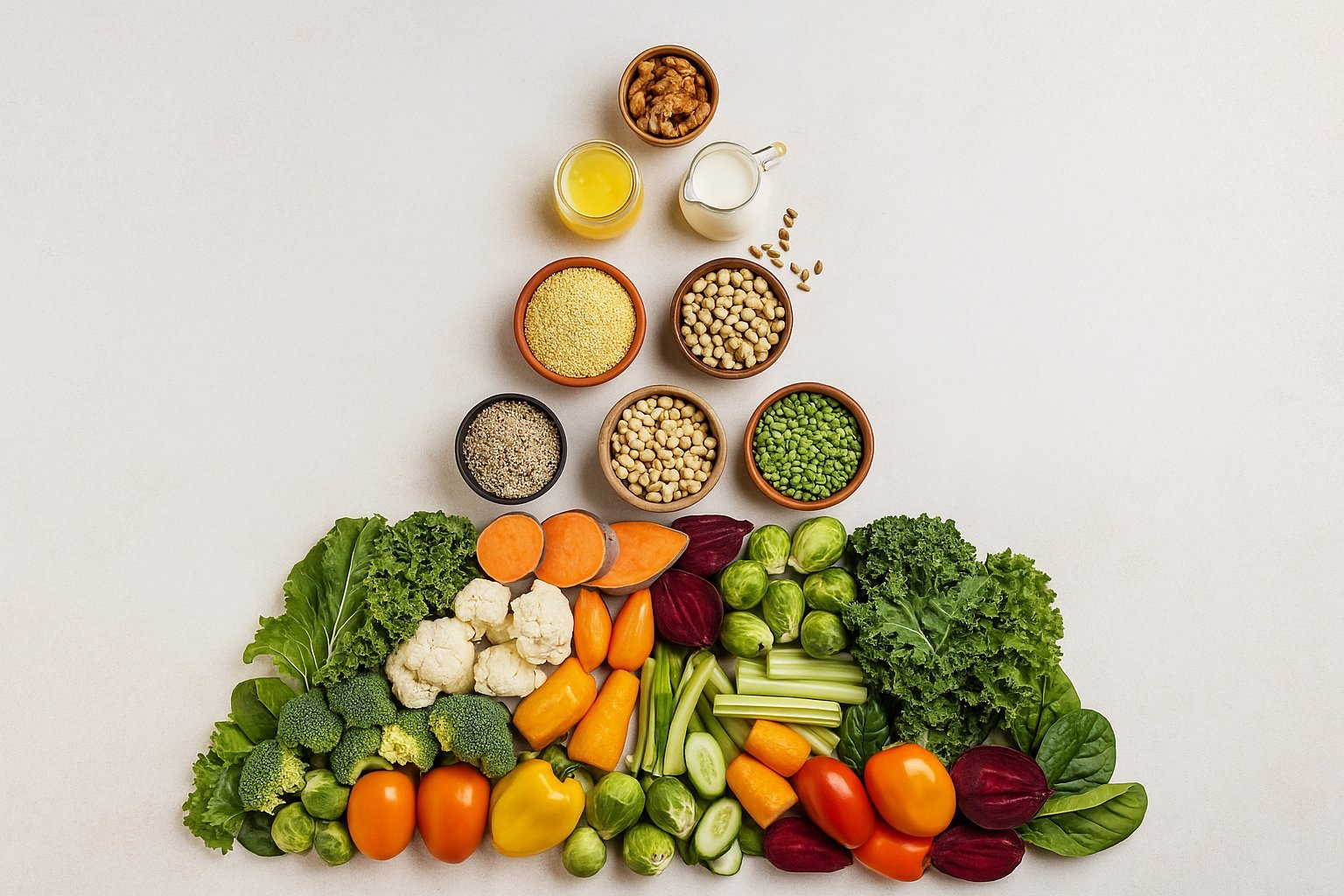

A sattvic diet nourishes the body, calms the mind, and uplifts the spirit—bringing clarity, balance, and harmony to daily life.
Sattvic vs. Yogic: A Practical Comparison
| Aspect | Sattvic Diet | Yogic Diet |
|---|---|---|
| Purpose | Increase purity, clarity, and harmony | Support spiritual growth and yoga practice |
| Allowed Foods | Strictly vegetarian, fresh, mild spices | Similar, but may allow slight variations |
| Avoids | Onions, garlic, processed foods, stimulants | Same, though some schools may permit them moderately |
| Focus | Mental and emotional balance | Support for body, breath, and meditation |
| Flexibility | Rigid adherence to purity principles | Adjusted for practice needs and lifestyle |
| Audience | Ideal for spiritual seekers, meditators | For yogis of all levels, from beginner to advanced |
Which One Should You Choose?
If your focus is mental clarity, emotional calm, and spiritual purity, the Sattvic diet may suit you best. It’s an excellent choice for deep meditation, detoxification, and balancing the mind.
If you are an active yoga practitioner, especially with physical or energetic practices, the Yogic diet offers a more adaptable framework. It encourages mindfulness, non-violence, and clarity while respecting the body’s physical needs.
Remember, both diets aim to enhance vitality and consciousness. The choice isn’t rigid—many practitioners shift between them depending on their phase of life, health, and spiritual goals. As a spiritual diet, starting with Sattvic is the right choice for many as the first step, progressing into the more advanced Yogic diet.
The yogic diet is not just about what you eat—it’s about how you live. Eat in a way that supports clarity, compassion, and connection to your higher self.
Final Thoughts
Both the Sattvic and Yogic diets are rooted in ancient wisdom, promoting holistic well-being. The primary difference lies in intention and application. One is rooted in purity as an end goal (Sattvic), while the other uses diet as a tool in the broader system of yoga (Yogic).
No matter which path you follow, adopting a conscious, clean, and plant-based approach to food is a profound step toward greater health, awareness, and spiritual depth.